
Achieving Perfect Balance with Customized Jaw Correction Surgery

Jaw and facial deformities can significantly impact both function and appearance. Conditions such as jaw misalignment, facial asymmetry, recessed or prominent jaws, bite problems, temporomandibular joint (TMJ) disorders, and obstructive sleep apnea often require specialized surgical intervention. Customized jaw correction surgery offers a precise, patient-centered approach to address these complex issues. This article explores the principles, techniques, and benefits of this advanced surgical care, emphasizing individualized assessment, evidence-based treatment, and surgeon-led planning.
Understanding Customized Jaw Correction Surgery
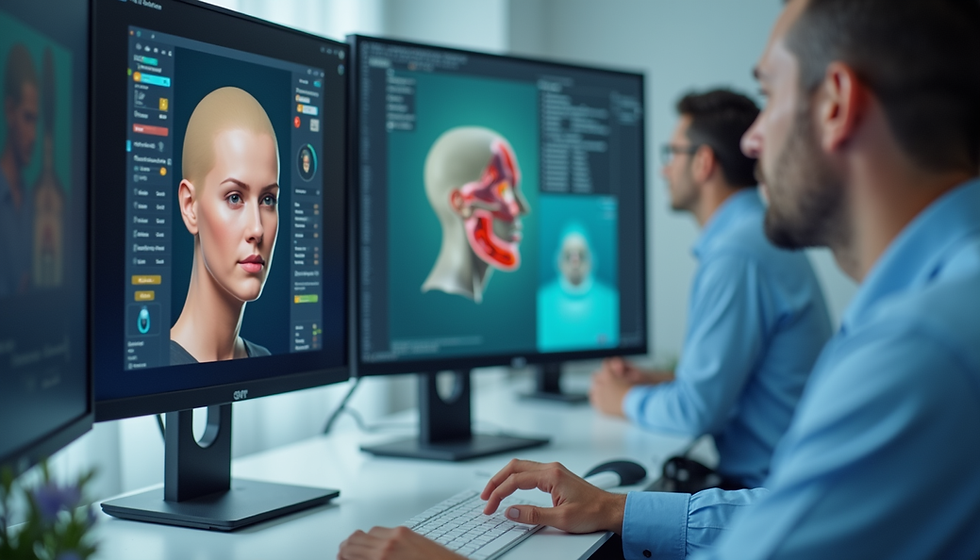
Customized jaw correction surgery, also known as orthognathic surgery, involves repositioning the jaws to improve function, aesthetics, and overall facial harmony. Unlike traditional approaches, this surgery is tailored to the unique anatomy and needs of each patient. The process begins with a comprehensive evaluation, including clinical examination, dental analysis, and advanced imaging techniques such as 3D virtual surgical planning.
This personalized approach allows surgeons to simulate the surgical outcome digitally, ensuring precise movements of the maxilla (upper jaw), mandible (lower jaw), or both. Procedures may include:
Double jaw surgery: simultaneous correction of both jaws for optimal alignment.
Genioplasty: reshaping or repositioning the chin to enhance facial balance.
TMJ surgery: addressing joint disorders that cause pain or dysfunction.
Maxillomandibular advancement: a technique often used to treat obstructive sleep apnea by enlarging the airway.
The goal is to restore proper occlusion (bite), improve facial symmetry, and alleviate functional problems such as difficulty chewing, speech issues, or breathing disturbances.

The Role of 3D Virtual Surgical Planning in Customized Jaw Correction Surgery
One of the most significant advancements in jaw surgery is the integration of 3D virtual surgical planning. This technology enables surgeons to create a detailed, three-dimensional model of the patient’s facial skeleton and dental structures. Using this model, the surgical team can:
Visualize the precise movements required for optimal jaw alignment.
Predict postoperative facial appearance and functional outcomes.
Customize surgical guides and fixation plates for enhanced accuracy.
Minimize intraoperative guesswork and reduce surgery time.
This evidence-based approach improves safety and predictability, allowing for better communication between the surgical team and the patient. It also facilitates multidisciplinary collaboration, especially when addressing complex cases involving TMJ disorders or sleep apnea.
Patients benefit from a clearer understanding of the procedure and realistic expectations about recovery and results. The use of 3D planning is particularly valuable for international patients who may have limited access to specialized care locally and seek expert treatment abroad.
Is 30 Too Late for Jaw Surgery?
Age is often a concern for patients considering jaw surgery. While many associate orthognathic surgery with adolescence or early adulthood, it is important to understand that age 30 is not too late for jaw surgery. In fact, many adults in their 30s, 40s, and beyond successfully undergo customized jaw correction surgery with excellent outcomes.
The key factors influencing candidacy include:
Skeletal maturity: By age 30, facial bones have fully developed, providing a stable foundation for surgical correction.
Overall health: Good general health and absence of contraindications such as uncontrolled chronic diseases are essential.
Specific condition: The nature and severity of the jaw deformity or functional problem guide the treatment plan.
Older patients may require additional considerations, such as bone density assessment and careful evaluation of TMJ health. However, advances in surgical techniques and postoperative care have expanded the age range for safe and effective intervention.
Patients should consult with experienced maxillofacial surgeons who specialize in customized jaw correction surgery to determine the best timing and approach for their individual needs.
Addressing Obstructive Sleep Apnea with Maxillomandibular Advancement
Obstructive sleep apnea (OSA) is a common and potentially serious condition characterized by repeated airway obstruction during sleep. Maxillomandibular advancement (MMA) surgery is a highly effective treatment option for patients with moderate to severe OSA who do not respond well to conservative therapies such as continuous positive airway pressure (CPAP).
MMA involves advancing both the upper and lower jaws forward, which enlarges the airway space and reduces obstruction. This procedure is often combined with other jaw surgeries to correct facial deformities or bite issues.
Key benefits of MMA for OSA patients include:
Significant improvement in airway patency.
Reduction or elimination of apnea episodes.
Enhanced quality of life and daytime alertness.
Potential reduction in cardiovascular risks associated with untreated OSA.
The success of MMA depends on careful patient selection, thorough preoperative assessment, and precise surgical execution guided by 3D virtual planning.

The Importance of Surgeon-Led Care and Individualized Assessment
Customized jaw correction surgery requires a high level of expertise and coordination. Surgeon-led care ensures that treatment decisions are based on comprehensive clinical knowledge and experience. The surgical team evaluates each patient’s unique anatomy, functional concerns, and aesthetic goals to develop a tailored plan.
Individualized assessment includes:
Detailed medical and dental history.
Clinical examination of jaw function and facial symmetry.
Imaging studies such as cephalometric X-rays, CT scans, and 3D models.
Collaboration with orthodontists, sleep specialists, and other healthcare providers as needed.
This multidisciplinary approach optimizes outcomes and minimizes risks. Patients receive clear explanations about the procedure, recovery process, and expected results, fostering informed decision-making.
International patients benefit from coordinated care that addresses language barriers, travel logistics, and postoperative follow-up, ensuring a smooth treatment journey.
Advancing Facial Harmony and Function with Personalized Jaw Surgery
Achieving perfect balance in jaw and facial structure is a complex task that demands precision and customization. Personalized jaw surgery integrates advanced technology, evidence-based techniques, and surgeon expertise to deliver optimal results.
Patients considering orthognathic surgery, double jaw surgery, genioplasty, TMJ surgery, or maxillomandibular advancement for sleep apnea can expect:
Improved bite function and chewing efficiency.
Enhanced facial symmetry and aesthetic appearance.
Relief from TMJ pain and dysfunction.
Better breathing and sleep quality in cases of OSA.
The journey to facial balance is unique for each individual. With thorough assessment, meticulous planning, and skilled surgical execution, customized jaw correction surgery offers a pathway to lasting functional and aesthetic improvement.
This comprehensive approach to jaw surgery reflects the latest standards in maxillofacial care, making it a trusted option for patients worldwide seeking specialized treatment for complex jaw and facial conditions.


Comments