

Frequently asked questions

Start with a Preliminary Assessment
Tell me what concerns you about your jaw, bite, chin, or facial balance. I’ll review your information and let you know which records are needed for a more detailed assessment.
Meet Your Surgeon
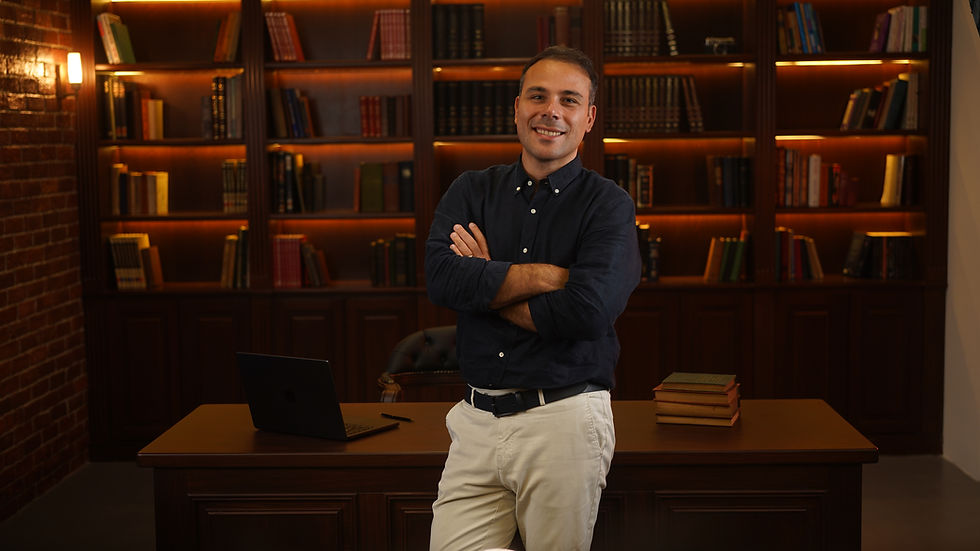
About Dr. Emrah Dilaver

About

Clinical Approach

Research and Publications

Educational Video Library
Frequently Asked Questions
Common Questions About Orthognathic Surgery
Orthognathic surgery may be considered when the upper jaw, lower jaw, or both are positioned in a way that affects the bite, facial balance, or jaw function and cannot be adequately corrected with orthodontic treatment alone. A detailed clinical examination, dental assessment, and three-dimensional imaging are required to determine whether surgery is appropriate.
Most swelling improves significantly within the first 2–3 weeks, although residual swelling may take several weeks to resolve. Many patients can gradually return to normal daily activities within 2–4 weeks, depending on the procedure and individual recovery. Bone healing continues for several months, and regular postoperative follow-up is required.
For most orthognathic surgery patients, a stay of approximately 10–14 days after surgery is generally recommended. This allows time for early postoperative monitoring and follow-up examinations before travelling home. The recommended duration may vary depending on the surgical procedure and individual recovery.
Yes. Three-dimensional imaging, dental records, facial analysis, and virtual surgical planning are used to evaluate the relationship between the jaws and teeth and to plan the intended surgical movements. Patient-specific surgical guides or splints may also be incorporated into the treatment when indicated.
Complete the preliminary assessment form on our Contact page. After reviewing your information, we will let you know which photos or records are needed and how to send them.
Areas of Expertise
Individualized treatment planning


Contact Form
Request a Preliminary Assessment
Tell us briefly about your concern and upload a few photos if available. No registration is required. Your information will be reviewed
Why Choose Dr. Emrah Dilaver
Patient-centered Orthognathic Care
Academic & Clinical Experience
Associate Professor of Oral & Maxillofacial Surgery with a clinical practice focused on orthognathic surgery, facial asymmetry and TMJ disorders.
Individualized Treatment Planning
Every treatment plan is developed using clinical examination, CBCT imaging and virtual surgical planning according to each patient's needs.
Digital Surgical Planning
Three-dimensional digital planning is used to support surgical accuracy and individualized treatment planning.